AMICO ASPERTINI, “A CAPRICIOUS MAN WITH A BIZARRE MIND”
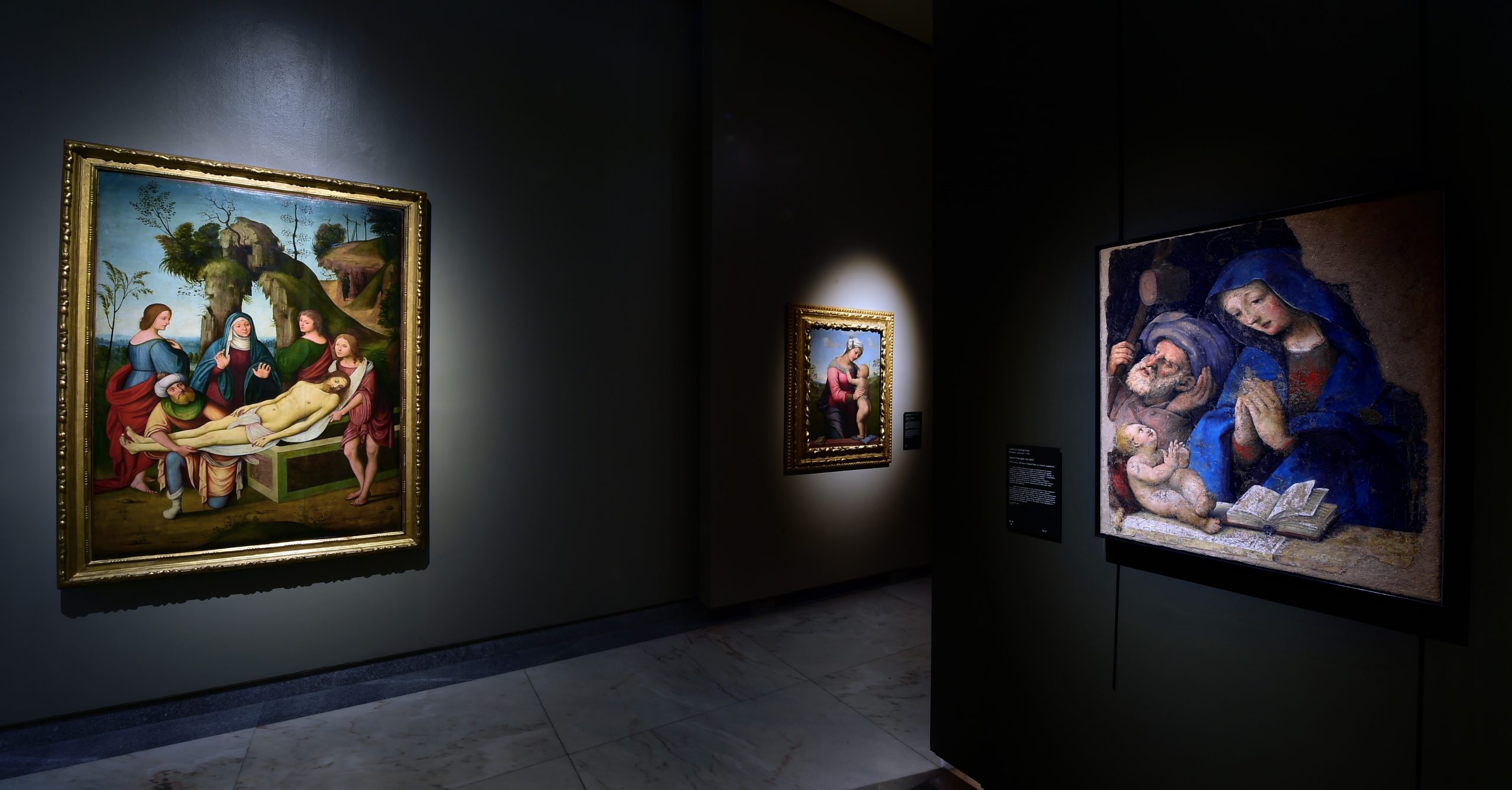
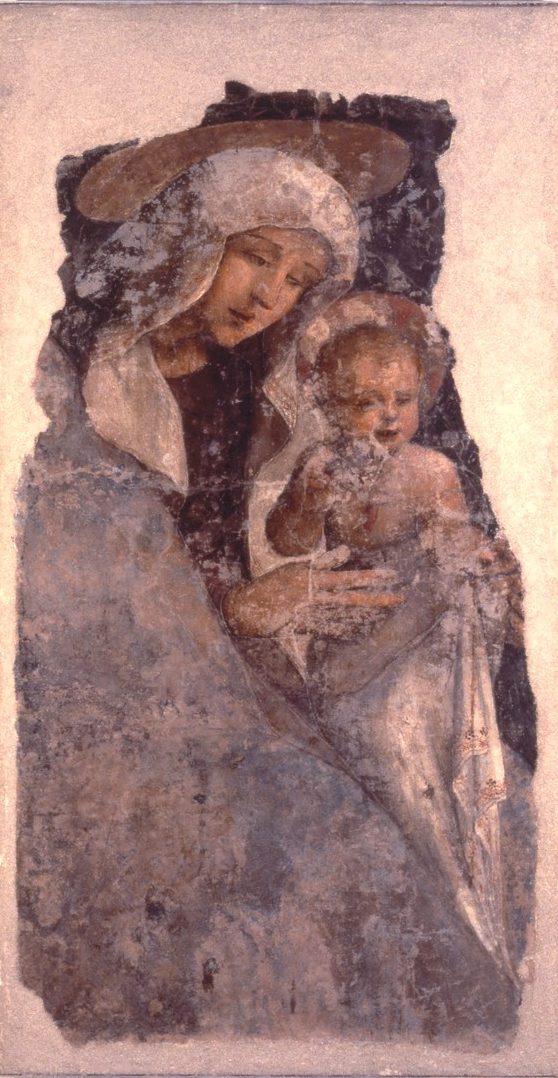
While Giorgio Vasari’s famous statement may have been disparaging, it effectively conveys the complex, eccentric and imaginative personality of Amico Aspertini, the most representative example of those unconventional painters who, in the early 16th century, went against the classicist approach particularly advocated by Perugino, Francesco Francia, the young Raphael and his retinue of faithful imitators and interpreters. A highly cultivated artist with a solid knowledge of antiquity, Aspertini trained in Roma, studying and copying reliefs and ancient statues, then in Firenze and Marche, accumulating various experiences that in his painting amount to a narrative, emotional language, enlivened by grotesque devices and whimsical solutions. The Tirocinio Altarpiece [14.1], as Aspertini himself called it, presumably recognising in it a combination of his formative experiences up to that time, reflects the polemical relationship with classical harmonies. He preferred portraying human nature, and its infinite range of gestures and feelings. Even in those small surviving portions, the two murals [14.2-3] bear witness to Aspertini’s work as a fresco painter in the decade following the oratorio di Santa Cecilia frescoes painted for Giovanni II Bentivoglio, the admirable decorative project that involved the artist alongside a team of painters, including Francesco Francia and Lorenzo Costa.